
The ARG Gallery

Featuring abstract art from neurodivergent artist, Andrew Grant II.
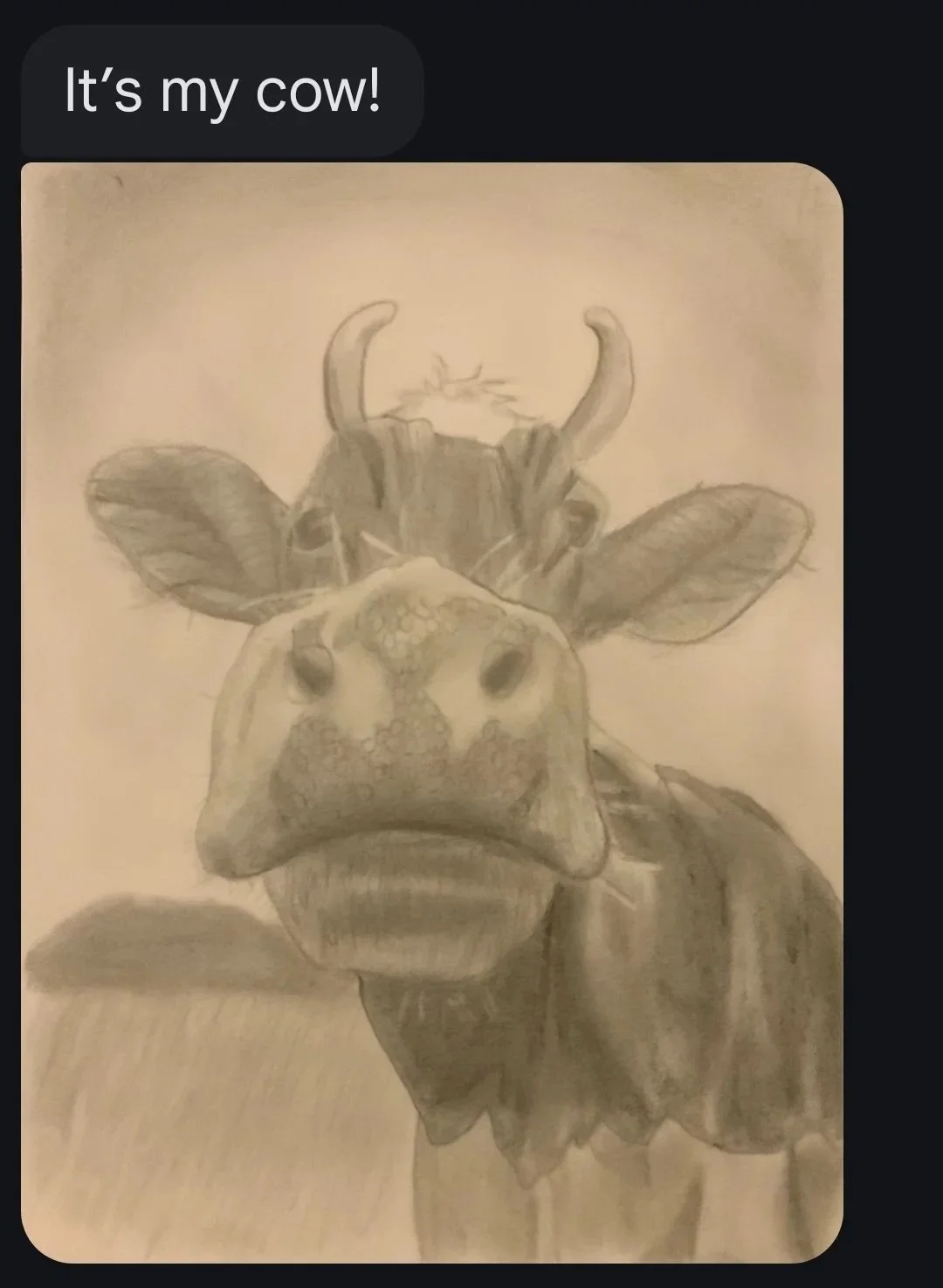

Andrew Grant II, an autistic artist, discusses his passion for art, particularly his recent work with graphite and charcoal. He enjoys choosing abstract concepts and creating beauty through varying shades of value. Andrew finds art a deeper form of communication than words and focuses on the overall mood of his pieces. He aims to incorporate more color and anatomy into his drawings. His routine involves creating five pieces a week to prepare for future professional opportunities. Andrew prefers working in a personal space and aspires to use his advanced abstract visual skills to express his complex passions.
𝐀𝐫𝐭𝐢𝐬𝐭 𝐒𝐩𝐨𝐭𝐥𝐢𝐠𝐡𝐭: 𝐀 𝐂𝐨𝐧𝐯𝐞𝐫𝐬𝐚𝐭𝐢𝐨𝐧 𝐰𝐢𝐭𝐡 𝐀𝐧𝐝𝐫𝐞𝐰 𝐆𝐫𝐚𝐧𝐭 𝐈𝐈
Interview by Jennifer Grant, Author of Falling, 2025
Q: What is your favorite part of making art?
Andrew: What I like best about art is choosing abstract concepts. I pick an idea based on how I feel, how interesting it is to me, and how the act of drawing or painting makes me feel. Some aspects — like simple lines or recreating perspectives — help me relax.
Q: You’ve been working a lot with graphite and charcoal. What do you enjoy most about those mediums?
Andrew: They allow me to create beauty with varying shades of value — something I couldn’t replicate in my earlier attempts when I used only lines.
Q: Do you feel that art helps you say things that words can’t?
Andrew: Yes. Art lets me communicate deeper thoughts and feelings that I can’t describe using basic words.
Q: When you begin a piece, what comes first — mood, shape, idea?
Andrew: I think about the overall mood first. From there, I can determine the design of everything in the piece — how objects move, how big they are, and how they interact.
Q: What do you hope viewers notice first when they look at your art?
Andrew: I want them to notice the overall composition — the placement of things. Then they can see how everything interacts in that composition.
Q: Do you prefer creating from imagination, or recreating real life?
Andrew: I like creating from my imagination the most. Then I incorporate elements of reality, especially when it comes to value.
Q: When did you first realize you loved drawing?
Andrew: When I fell in love with animation and fiction in movies and TV shows. I wanted to replicate the drawings of characters and settings. That inspired me to create my own ideas of abstraction and color in different environments.
Q: Is there anything you want people to understand about you as an autistic artist?
Andrew: I want people to understand that I have complicated passions and interests that go deeper than basic art. I feel I can express those things through advanced, abstract visuals that I can’t describe with words.
Q: What tools or materials do you enjoy working with most?
Andrew: I feel most practiced with graphite. Hatching and cross-hatching are styles I’m working on, and I think I’m doing well with them. I also enjoy charcoal because I’m proud of the “black fabric” effects I can create.
Q: Do you follow a routine when creating, or do you just sit down and improvise?
Andrew: I recently learned to create five pieces a week. It’s a routine I’ve never had before, and it’s helping me get ready for working with real businesses and having a professional art career.
Q: What are your goals as an artist right now?
Andrew: One goal is to study new drawing mediums through handbooks, like anatomy, which I’ll need for drawing characters or bodies. Another goal is to start using more color — since my graphite and charcoal drawings are mostly black and white, I feel color would help my fictional worlds stand out in beauty.
Q: If you could work anywhere as an artist, where would it be and what would you do?
Andrew: I can work anywhere as long as I have a room with a bed and desk. When I have my own space, I feel peaceful looking at things on my laptop or phone for inspiration. That’s when I draw best.
Q: So you work best when you’re left in your own world?
Andrew: Yes. I wouldn’t want to feel alone all the time, but I like having my own personal room and space to work.
Q: That makes perfect sense. Andrew, thank you so much for sitting down with me today. I appreciate your time, and I know everyone is excited to see your art.
Andrew: You’re very welcome. I’m glad to share my voice and my art through this interview.
